A data-driven segmentation replaced trial-and-error, and Vilgain went from high hundreds to 3,000+ units a month, with margin intact.
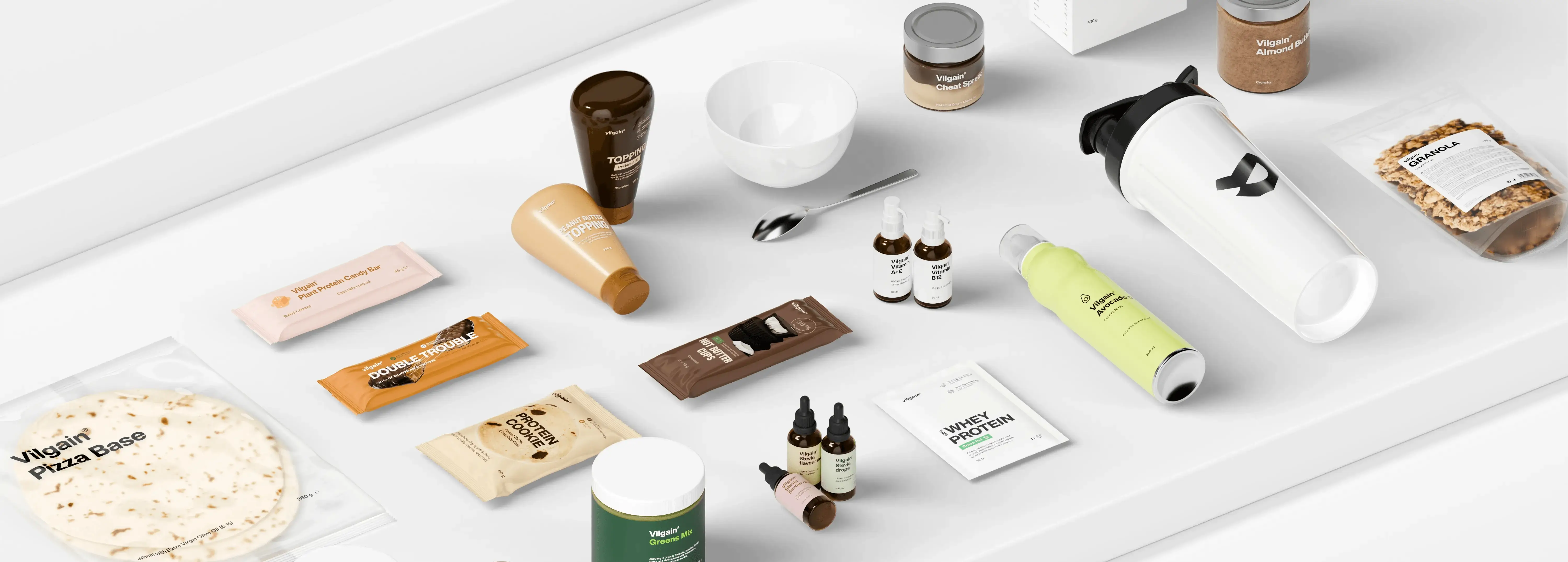
Vilgain is a Czech D2C brand built around one idea: food and supplements that help people perform better. Their range spans sports nutrition and a growing supermarket line of healthy snacks, canned meats, and dressings. Quality-led, brand-conscious, and expanding internationally, including into Poland through Allegro.
They had a brand store, early reviews, and had experimented with Allegro Ads through a local Polish agency. Something was missing.
"When we first met, I could tell Lukáš saw real potential in Allegro. They needed to find an efficient path to activate it. At the time, Vilgain was selling high hundreds of units per month." - Jakub Vraspír, CEO at Merchantee
They were not looking for another experiment. They needed a systematic approach that could deliver measurable growth without throwing a budget at guesswork.
The previous agency relationship had already ended. Testing broadly and hoping something would stick was not generating results fast enough to justify the investment.
The structural problem ran deeper. Vilgain's catalogue contained hundreds of products across 30+ subcategories. With no way to know which products deserved attention, which needed fixing, and which were simply not ready, every decision was a guess.
Trying to win everywhere at once is expensive. It is also slow. And in a market like Allegro, slow is a competitive disadvantage.
Merchantee started where it always starts: the data.
Before any campaign or promotion, Merchantee pulled marketplace-level data across Vilgain's full catalogue. Market size, competitor density, customer interaction signals (clicks, basket adds, conversion rates), and Vilgain's own sales history. Every product, every subcategory, assessed at once.
What came back was unexpected.
"A lot of people see Vilgain as a fitness brand. Protein, creatine, vitamins. But the data pointed somewhere different. The biggest opportunity was in their supermarket range: canned meats, snacks, dressings. Low competition, real demand, and a niche that nobody had properly captured. We focused there first." - Jakub Vraspír, CEO at Merchantee
That insight shaped everything that followed.
Superstars: Products converting at 10–20% or more. Merchantee pushed them through every channel: Allegro Days, Allegro Ads and paid promotion, within the agreed margin limits.
Contenders: High clicks and basket adds, low conversion. Customers were interested but not buying, so Merchantee diagnosed each product on its own. For some, a multipack worked; for others a different pack size, first reviews, or free delivery via Allegro Smart. Every fix was specific, not generic.
Cold Stocks: Minimal interaction. Before any ad spend, Merchantee reviewed the listing itself: lead image, title, keywords and subcategory placement. Some products grew significantly after these changes.
Once the segmentation was in place, Merchantee handled execution. Product promotion ran automatically, based on Vilgain's budget and conversion, and the segments showed which products to put into campaigns such as Allegro Days and Black Weeks.
Vilgain's team stayed in control of strategy and limits. Merchantee handled everything inside those limits, around the clock.
Nearly 300% growth in total units sold: From high hundreds of units per month to 3,000+. Revenue nearly tripled.
Healthier revenue distribution: At the start, around 80 products contributed to sales. Within three months, that number had grown to nearly 150. The business became less dependent on a handful of SKUs.
Margin protected throughout: The cost-to-revenue ratio held at approximately 25%. Vilgain did not grow by subsidising sales. They grew by finding the right products and running them efficiently.
Try Merchantee on your own catalogue. 45 minutes, no slides. Just your numbers.